Anna Turbau
Barcelona (1949 - 2025)Biography
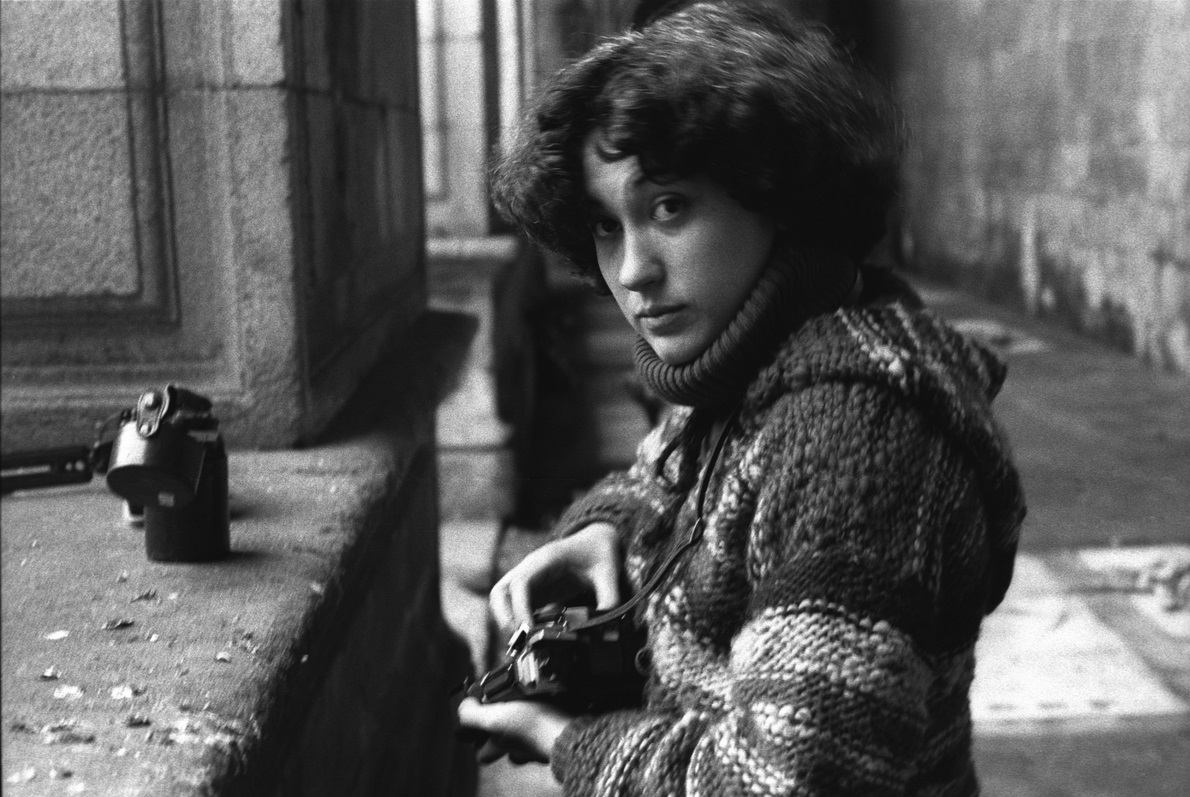
One of the pioneering women of Catalan photojournalism, her work is marked by social commitment, sensitivity, and closeness to the photographed subject.
Anna Turbau (Barcelona, 1949- 2025) was one of the pioneering women of Catalan photojournalism and her work is marked by her social commitment and sensitivity.
Since May 2023, Anna Turbau has been represented by the Photographic Social Vision Foundation, working closely with the artist on the cataloging and digitization of her valuable archive, advising her on the organization of exhibitions and selling her work.
Committed photojournalism and documentary journalism
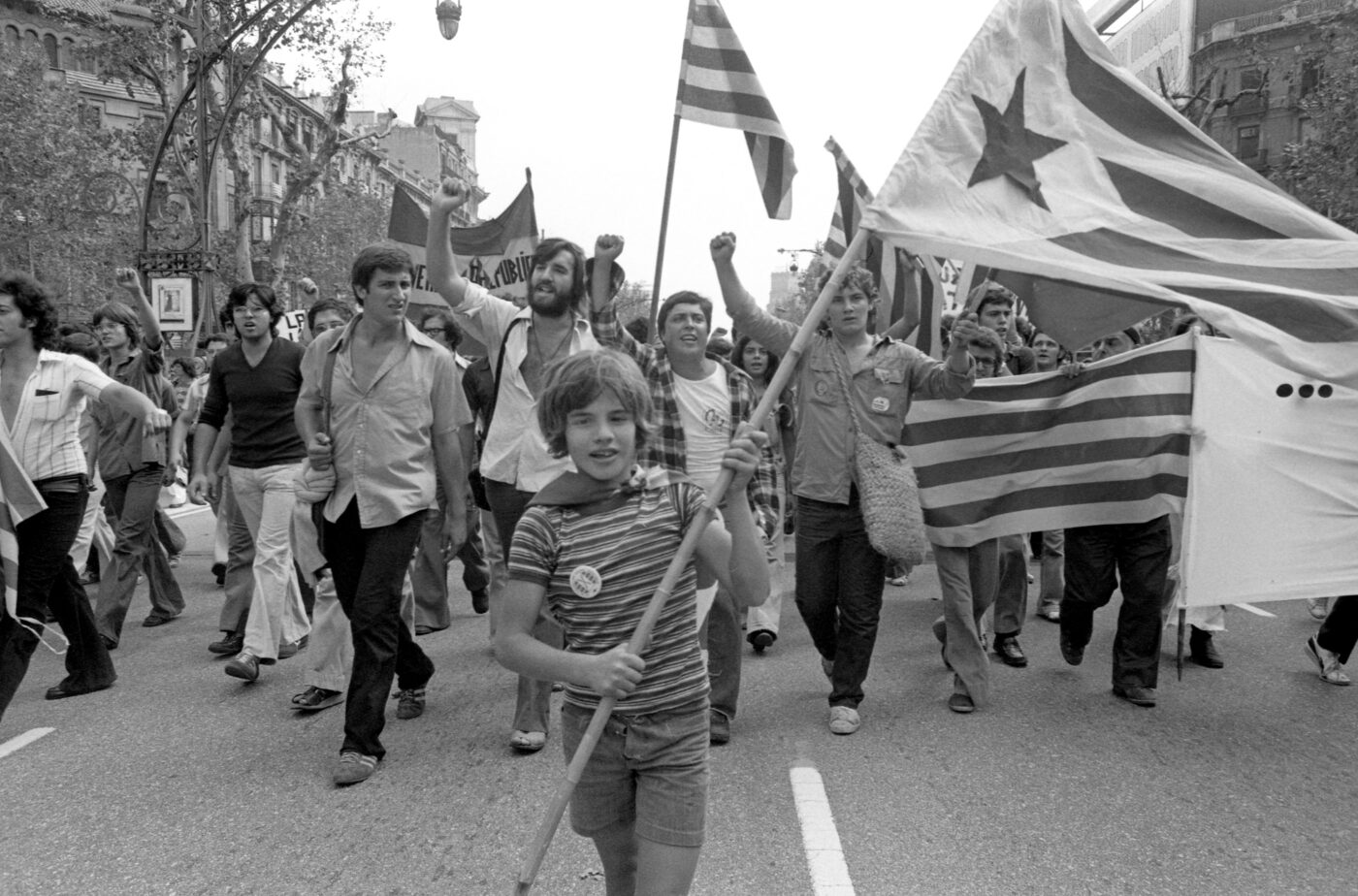
Anna Turbau is part of the generation of photographers of the Spanish Political Transition who develop a committed and denunciatory photojournalism. Very consciously, it gives visibility to the mobilizations and the fight for social freedoms with a renewed and militant language, which moves away from the more humanist documentaryism practiced by the generation of the sixties.
As a woman in a sector controlled by men, she takes photographs with frames of great expressive force and dynamic compositions that reflect a proximity to those portrayed, not only physically, but also emotionally. The author takes sides and gets involved in what she is photographing, with the risks that this often entails. Its approach to women who freely express their emotions and demands becomes especially relevant.
Documenting social and rural mobilizations
Turbau studies graphic design at the Massana – Center for Art and Design and Elisava – Barcelona University School of Design and Engineering schools, where she is interested in photography as a form of expression in her native Catalonia.
In 1974 she presented her first exhibition, Jazz Photographs, at the Sala Aixelà and, a year later, she openly portrayed the harshest reality of the so-called “Chinatown” in the Ciutat Vella district of Barcelona, showing poverty and marginalization that the Franco regime wanted to hide. After that project, she abandoned design and focused professionally on photography.
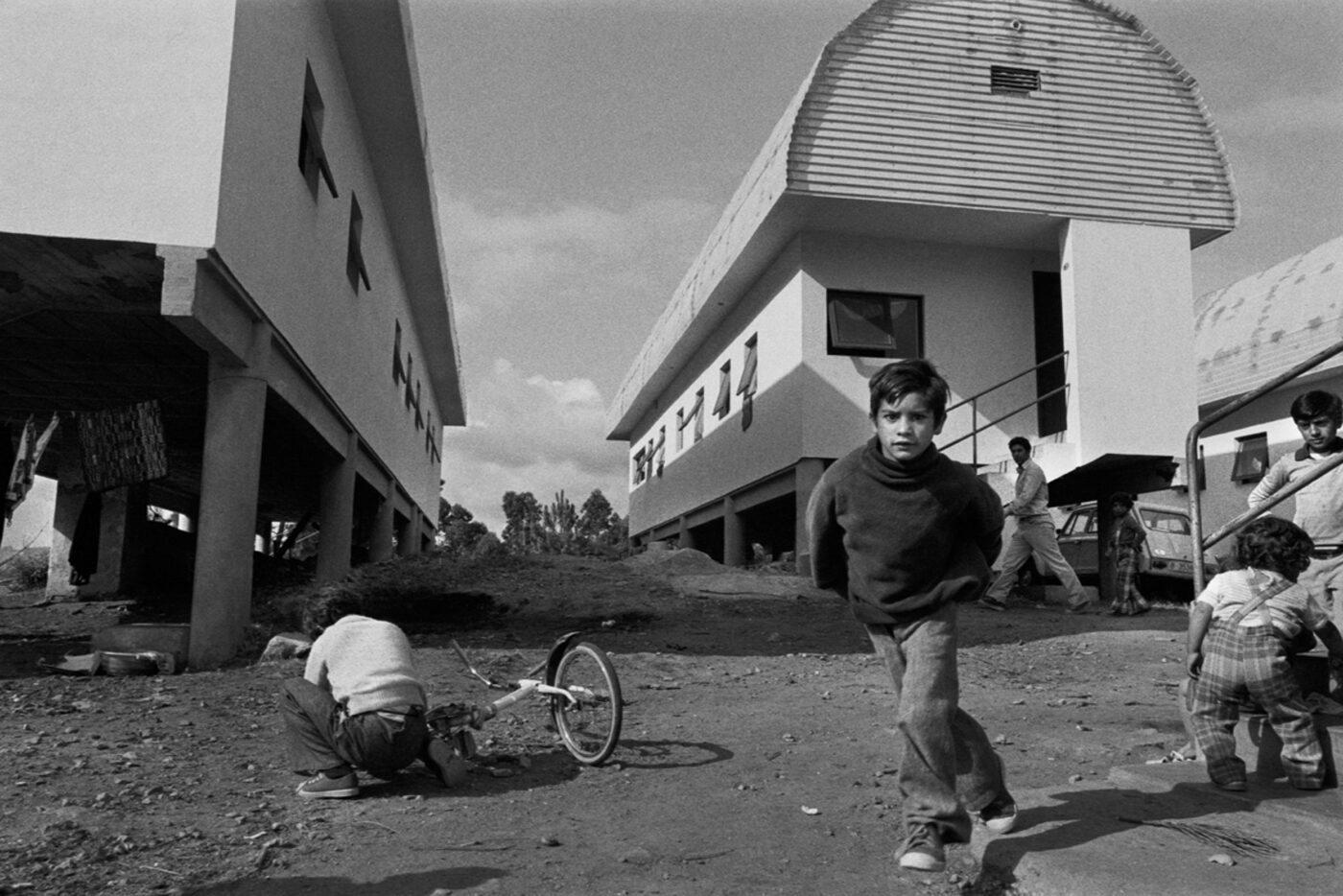
In 1975, she moved to Galicia to document an innovative housing project for gypsy families in O Vao (Pontevedra), created by the architect César Portela, with whom the photographer would establish a close friendship and share exhibition projects.
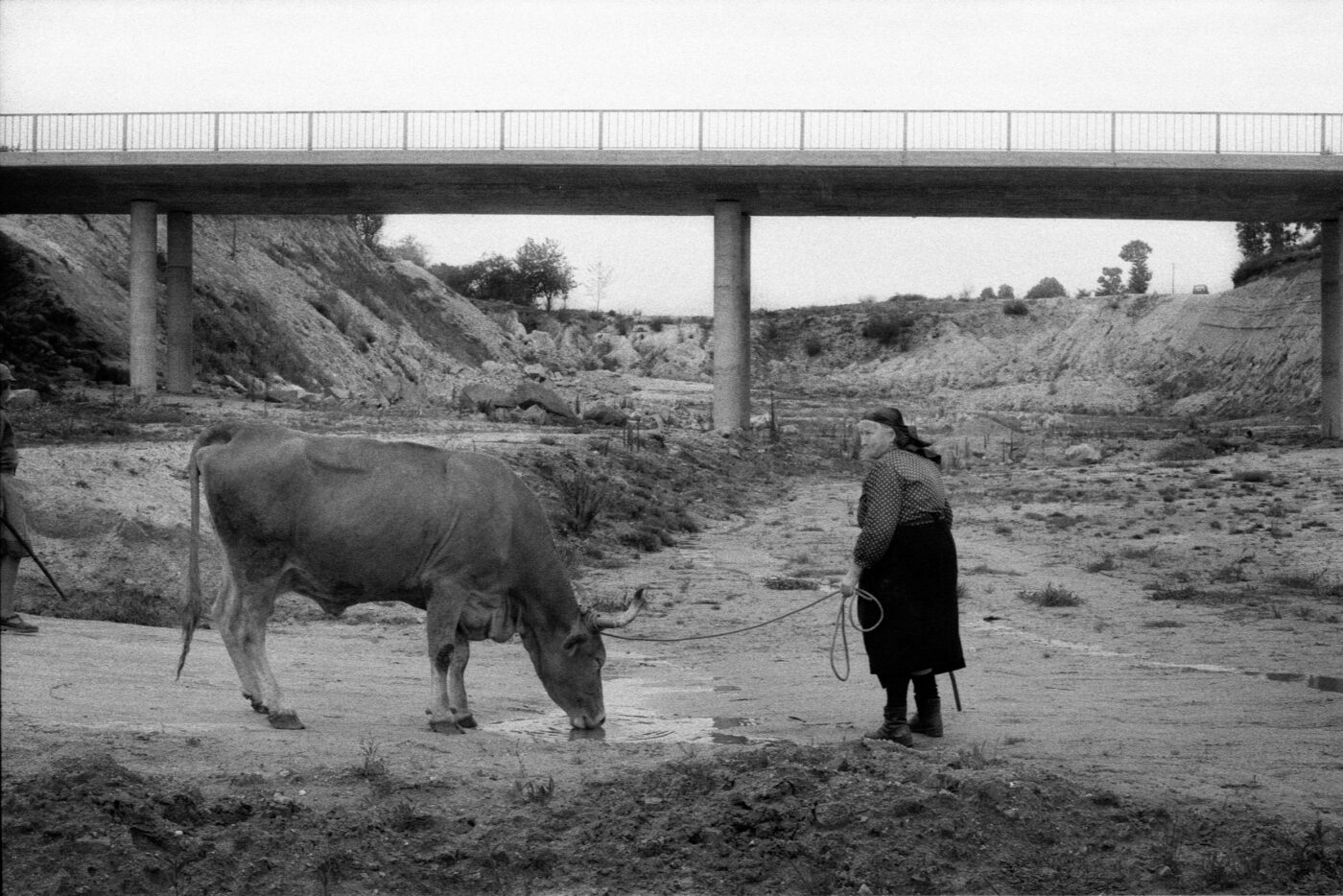
In 1976, Turbau settled in Santiago de Compostela, going on to work for the magazines Interviú and Primera Plana. It documents the social and political mobilizations that arose at the end of the Franco regime and during the Transition, such as the conflict over the construction of a highway, the demonstrations by workers at the Vigo shipyards or the tragedy of the sinking of the ship “Marbel”.
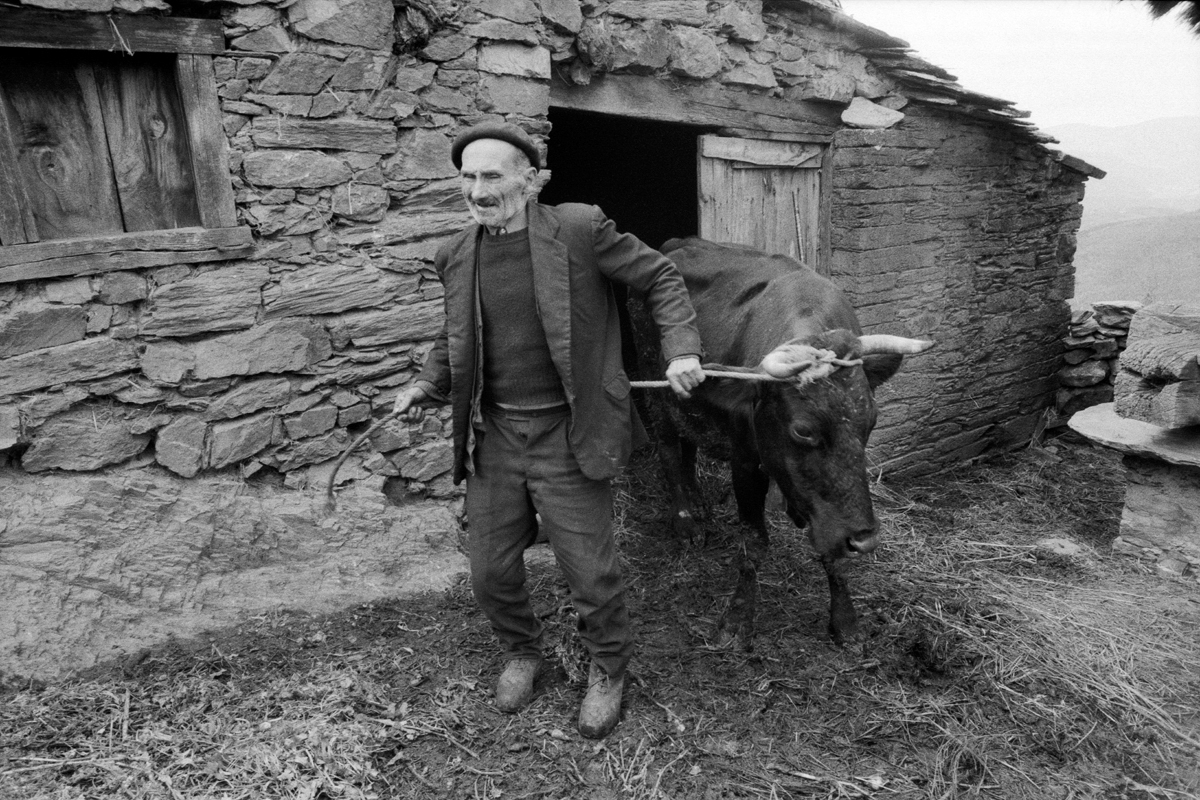
Her powerful and moving images also show the reality of small towns forgotten in time, their people and the role of women in rural society. According to the author, “I didn’t know the harshness of rural areas until I came to Galicia, so it shocked me.”
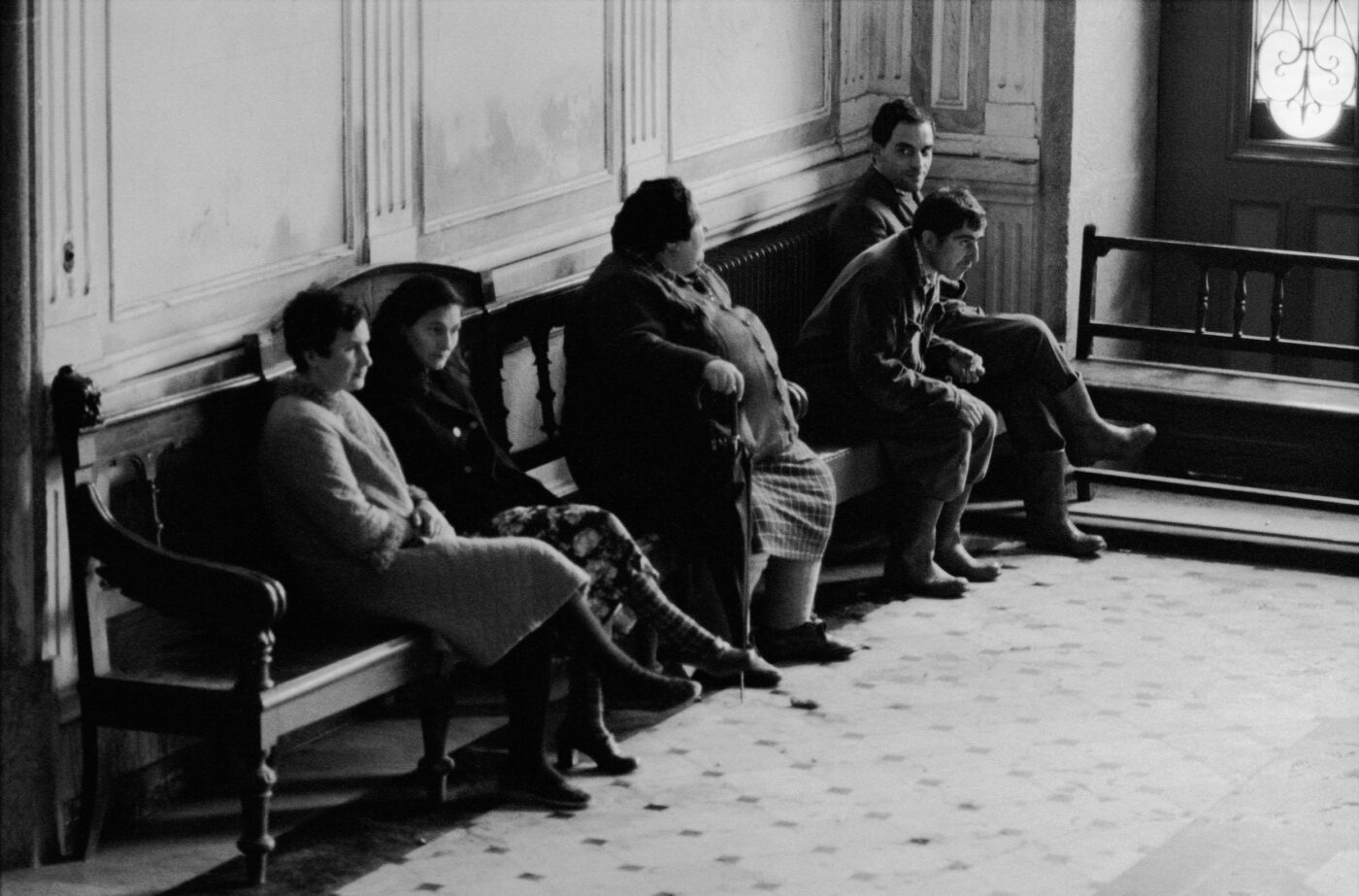
Furthermore, at that time she made a memorable report at the Conxo psychiatric hospital (Santiago de Compostela), although these photographs were not made public until 2012.
Her Return to Catalonia
In 1979 she was forced to leave Galicia due to the pressure she suffered from the Police. She returned to Barcelona, where she collaborated with El Periódico de Catalunya, a newspaper in the beginning of its career.
Having children, she is forced to leave the profession of photojournalist for two years, although motherhood is not an impediment to taking the still photo for the film Somni d’un carrer (Dream of a Street), by the theater group Els Comediants, or to photograph – together with Josep Armengol “Gol” – the first Tàrrega Theater Fair.
In 1983 she started working for the weekly Actual and in 1985 she was hired by TV3 – Televisió de Catalunya as a production assistant on educational and cultural programs.
Women and memory
In the early nineties she began teaching photojournalism classes at the Grisart International School of Photography. In 1994 she was one of the founders of the UPIFC Image Union, although at the end of the same decade she definitively abandoned the profession of photojournalist due to her health problems.
However, in the early 2000s, she resumed her photographic activity on a personal basis with documentary projects focused on women and also began work on the exhumation of remains of those shot in war in Calatañazor (Soria).
The recognition that begins in Galicia
In 2017, she received recognition for much of her work thanks to the exhibition A Intimate da Imaxe – which continues to tour Galicia today – and the accompanying publication, Anna Turbau. Galicia, 1975-1979, all by the Consello da Cultura Galega.
In addition, Turbau has held various individual and group exhibitions, has published several books and has participated in different photography seminars and festivals. Her work is treasured in various collections, among which the Galician Center for the Arts of the Image and the Museo Nacional Centro de Arte Reina Sofía stand out.
In 2023, Turbau received the Lifetime Achievement Award from the Transhumant Festival in her native Catalonia. And in 2024, she was added to the National Photography Collection of the Generalitat de Catalunya through the acquisition of analog prints by the National Art Museum of Catalonia (MNAC).
Sadly, Anna Turbau passed away unexpectedly on March 19, 2025. At the Photographic Foundation, we will continue to work in her memory and spread her great photographic and human legacy.
Photographic collections