Eugeni Forcano
Barcelona (1926 - 2018)Biography
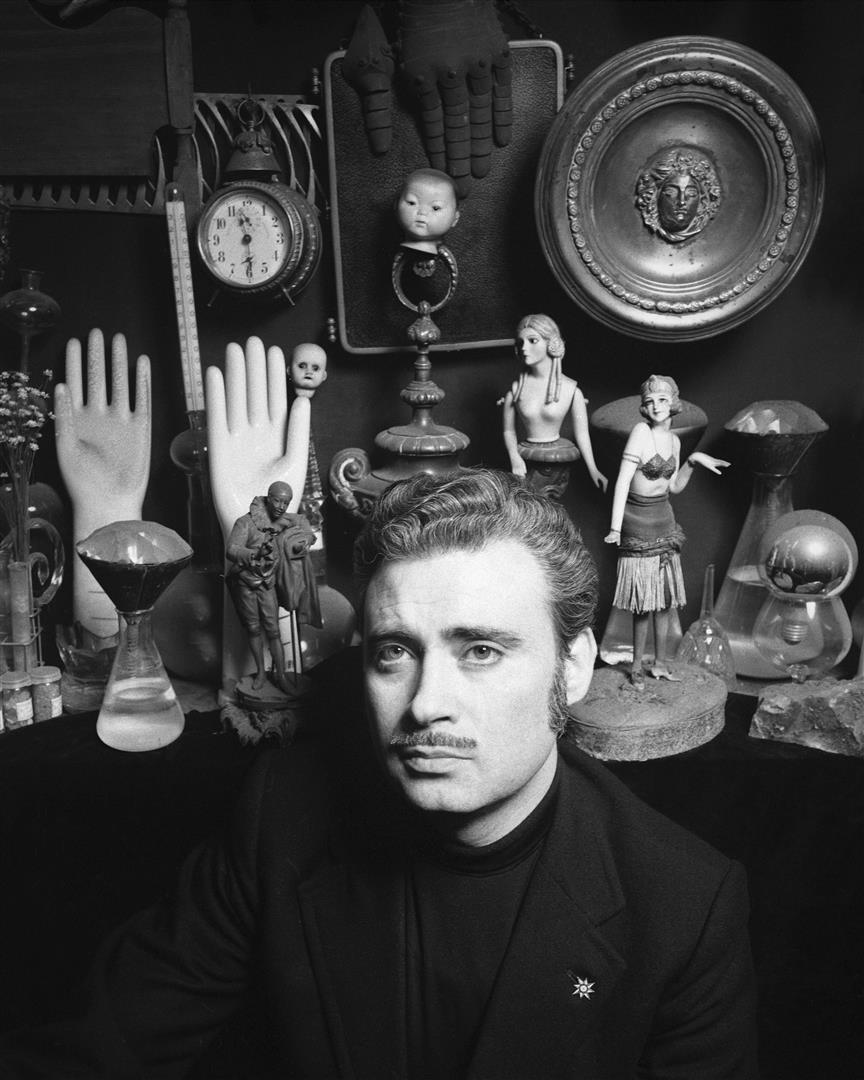
Known for his images of everyday life in the 1960s, which combine criticism, tenderness, and humor.
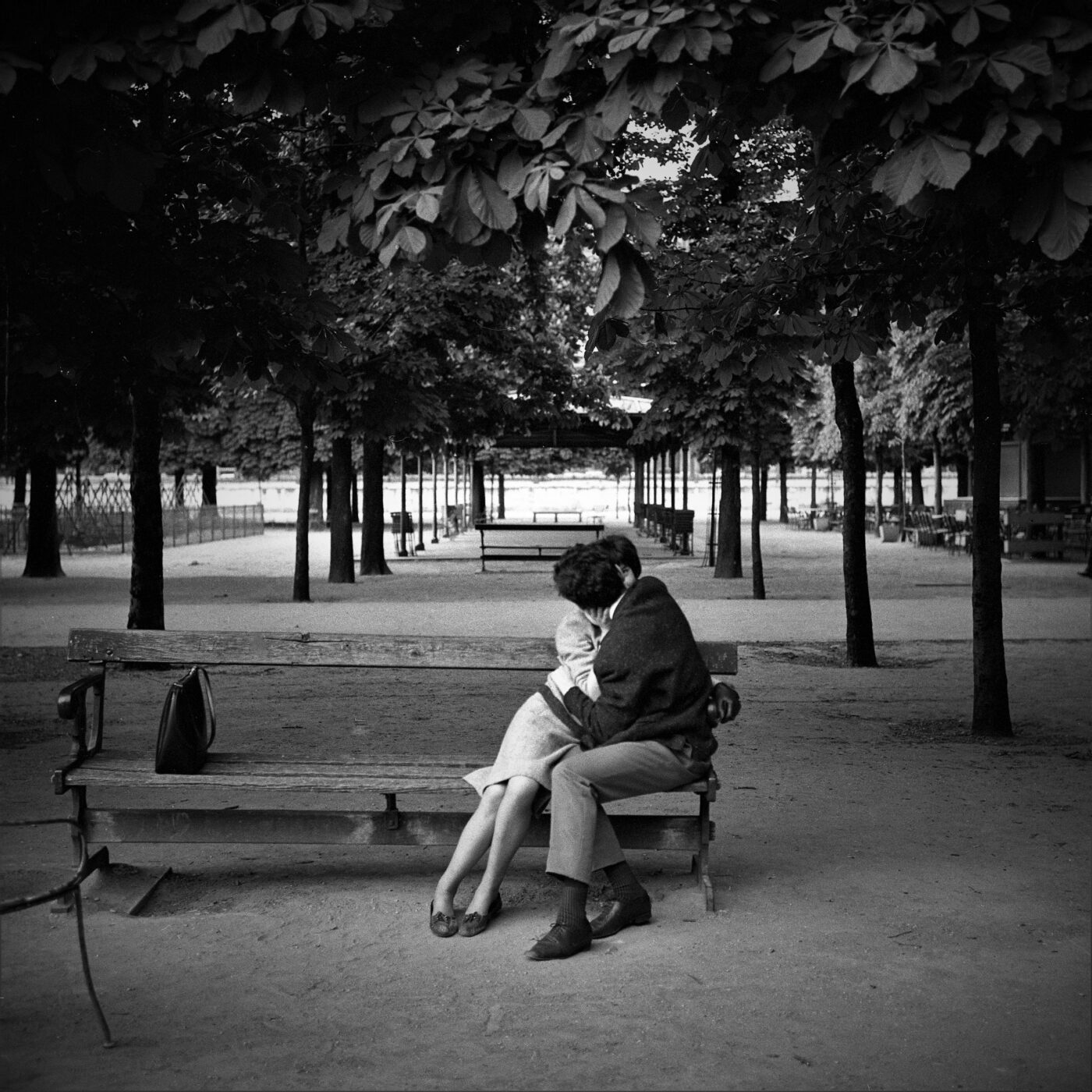
Eugeni Forcano (Barcelona, 1926- Canet de Mar, 2018) was one of the most prominent photographers of the second half of the 20th century in Spain. Winner of the National Photography Award in 2012, his work is recognized for its powerful black and white images of everyday life in the 1960s and also for his avant-garde experimentation with color in the early 1980s.
From hobby to photography to professionalization
Forcano developed an interest in photography as a child, passing by the shop window of photographer Manuel Paratge in his hometown every day, or at school when he had the opportunity to use a camera photographing his classmates. He eventually set up his own photography studio in Canet de Mar and joined the Agrupació Fotogràfica de Catalunya in 1949. His first works as a professional were marked by the prestigious weekly magazine Destino, where he won a photography contest and for which, starting in 1960, he began creating covers and reports, portraying, in black and white, the everyday life of a country in transformation: neighbors, children, vendors, women shopping, priests and nuns, lovers and prostitutes. His photographs from this period, in the neorealist style, display a combination of social criticism, tenderness, compassion, vitality, and a remarkable sense of humor. As the author would say: “If capturing a picture doesn’t move me, there’s nothing I can do. When my heart races, it never fails: there’s my photo”. Meanwhile he was working with Destino magazine, he soon combined work for other publishers such as Seix y Barral Publicidad, Editorial Aymà, and Revista Don, and also started to work as an advertising photographer. And, again with Destino, he published the books Barcelona (1964, with texts by Carles Soldevila) and Festa Major (1969, with texts by Josep Maria Espinàs).
One of the most prominent photographers of the 60s and 70s
In 1962, he traveled to Paris at the invitation of French tourism officials along with photographers Cualladó, Cantero, Gómez, Basté, Colom, Cubaró, Masats, Maspons, Miserachs, and Ontañón. The result was the collective exhibition “Eleven Photographers in Paris,” presented in Paris, Madrid, and Barcelona. In 1967, he wrote a report on the writer and journalist Josep Pla on the occasion of his 70th birthday. It was published in the Complete Works of Josep Pla and revived in the 1990s in two monographic books: Josep Pla seen by Eugeni Forcano and In the Seductive Shadow of Josep Pla. The figure of Catalan literature had a great admiration for Forcano’s work ever since his article “A Walk Through Banyoles on Market Day” was illustrated by the photographer. “There’s one thing in these photographs that impresses me deeply,” Pla sais, “and that is that just by looking at them for a moment, you can divine with great precision the dialogues the people are having”. His advertising work has led him to color photography, and he has collaborated on numerous campaigns in Spain and the rest of Europe for brands such as Freixenet, Belcor, Myrurgia, Delpire (Paris), DuPont (Switzerland), and the fashion company Tilsa, for which he photographs models in rural settings, mining galleries, and León Cathedral. In 1980, he presented what is probably one of Eugeni Forcano’s most avant-garde works, the experimental series “Provoking Randomness Through Light”. Surreal and lysergic, this collection of photographs was described by Rosario M. Rochina in Noticiero Universal: “This is not just another achievement in Eugeni Forcano’s revolutionary work, but rather an important conquest of photography in general. We are in a position to affirm that nothing similar has yet been produced internationally.”
Recognition of a great photographer
Although it took him a while to gain popular recognition, thanks to the reissue of his most notable works and retrospective exhibitions such as ‘Atrapar la vida. Eugeni Forcano, Fotografías 1960-1974’ (2014), Forcano won many awards from an early age, including the City of Barcelona Award for black and white photography (1963) and also for colour photography (1976) and the Gold Plate of the Agrupació Fotogràfica de Catalunya (1974), among others. In 2012, he achieved recognition when he received both the Creu de Sant Jordi from the Generalitat de Catalunya (Catalan Government) and the National Photography Award from the Spanish Ministry of Culture. The Catalan recognition highlighted “his significance as one of the most prominent professionals in the art of photography in Catalonia in the second half of the 20th century, both classic and avant-garde. His images form a valuable artistic and cultural legacy”.
Photographic collections