Ferran Freixa
Barcelona (1950 - 2021)Biography
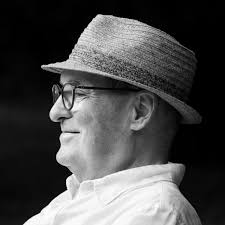
An indispensable author for contemporary creative photography, a benchmark for subjective documentary filmmaking, who knew how to visualize the passage of time and the memory of things.
The photographic work of Ferran Freixa i Pintó (Barcelona, 1950- Sant Vicenç de Montalt 2021), considered a benchmark of subjective documentary, is represented, together with his heirs, by the Photographic Social Vision Foundation.
Freixa is an indispensable author for contemporary creative photography. Throughout his career, it is surprising to observe how his images maintain an absolute authorial character, an aesthetic personality with a classic and elegant air, with compositional balance and attention to detail, which remains in all the themes that he was passionate about: the Mediterranean, the ruins and the erosion of cultural heritage, classical architectural monumentality, nature that reclaims seized spaces, or the beauty of everyday objects in hotels and restaurants. He had a singular, melancholic and lyrical gaze, he knew how to visualize the passage of time and the memory of things.
“My world revolves around the suggestion, the insinuation. What I have always sought is poetry”. Ferran Freixa
From graphic design to architecture and interior design photography
In 1973, Ferran Freixa began to use photography as his new language of artistic expression. After studying drawing and painting in the mid-1960s, he began to take pictures self-taught and ended up opening his first photography and graphic design studio, specializing above all in advertising and fashion. In 1975, he met Josep Rigol, also a photographer, with whom he shared a professional studio for twenty-five years, during which they developed their artistic careers, exhibiting together and traveling around Europe to visit festivals and personally meet the great masters of photography.
Since 1978, he specialized in architecture and interior design photography, collaborating with the best professionals and publishing his work in national and international publications. His activity in this field influenced his most personal photographic work from the beginning, both formally and thematically. During the second half of the 1970s, a true revolution in photography began in Barcelona, which would be known as “creative”. In this context, Freixa begins to consolidate a particular look that uses black and white to fit, in an impeccable way, the frontality, the balance in the composition, the precision and the importance of light in the construction of the image. His most common theme is everyday objects, to which he usually provides particular atmospheres through dim lights.
Photographing time with lights and shadows
His photographs are an extraordinary testament to capturing and enhancing urban cultural heritage before it disappears. A series on historic shops in Barcelona is one of his best-known works, made up of photographs of classic shop windows, taken between 1979 and the early 80s. “Many times, when I take pictures of these shops I remember my childhood, and they are very fond memories. That’s why I take those pictures. I am afraid that they will be lost and I want to leave a record”, confessed Freixa. Restaurants, hotels or the Boquería market in Barcelona are also present in his images of those years.
In addition, in the 80s, he carried out a series of works of an experimental nature. This is the case of the series made for the National Archaeological Museum of Tarragona in 1987, for which Freixa wanted to synthesize continent and content, photographing how some pieces of the collection were projected on the walls of the museum, so that the sculptures seem to be dematerialized, turned into luminous forms.
In 1990, he was commissioned to photograph the transformation of the Eixample neighborhood in Barcelona, during the pre-Olympic phase for the magazine Quaderns of the Col·legi d’Arquitectes de Catalunya (Professional Association of Architects of Catalonia). And in 1994, he produced his famous series at the Gran Teatre del Liceu, entitled “El foc, darrer acte” (The fire, last act), where he captures the remains of this classic opera theater in Barcelona after the fire that had just destroyed it (and which would later be rebuilt). The Liceu was not just an emblematic building for Freixa, but an emotional symbol of the city. It was not easy for him to obtain permission to enter to photograph the charred remains, but he succeeded, willing to approach it as an archaeological work. Its exhaustive documentation is unique, because Freixa was shooting while workers cleaned and restructured the interior of the theater. He was aware that “that image that he had just discovered would no longer exist the next day”.
In 2006, Freixa began another of his key works, on the former Catalonian textile colonies, documenting those ruins before they are destroyed or restored for new purposes. His images show an industrial heritage, after years in disuse, helping us to reflect on the expiration of human creation, on the fate of productive constructions that at the time were a symbol of progress and that, now obsolete, are devoured by nature. An aesthetic experience, which shows the naked essence of the spaces in an intimate and poetic way, turning them into an allegory of the passage of time.
The spirit of this series is somehow combined with the one from the early 80s on emblematic places in Barcelona, when Freixa portrayed the historic Marsella bar in the Raval neighborhood in 2013.
After having always lived in Barcelona city, Freixa decided to move in 2014 to the family home in Sant Vicenç de Montalt, in El Maresme region. There he began to photograph spaces in the area such as the Hotel Estrac, then recently closed, whose interiors still intact in the author’s images speak of a recent past, which seems remote and irretrievable. Since then, the artist has focused his gaze on the privacy of his new home and his immediate surroundings, delving into an extremely refined work, which draws the environments precisely, in a symphony of light and shadow, with an autobiographical background.
The legacy of Ferran Freixa
The photographer passed away in June 2021. And in 2022, his family and close friends, in collaboration with the Photographic Foundation, honored him with the retrospective exhibition “Ferran Freixa, la luz presente” (Ferran Freixa, the present light), which opens on April 22 at the Boca del Calvari Museum in Benidorm.
Freixa is one of the greatest exponents of the generation of photographers of the seventies, which represented a second avant-garde, characterized especially by its creative contributions to documentary photography. In the exhibition anthologies of his work, the intimate profile of his documentary art is usually highlighted.
His images have been selected for numerous collective exhibitions of contemporary Spanish photography held in cities such as New York, Tucson, Mexico, London and Paris, as well as in the traveling exhibition “Cuatro Direcciones: 1970-1990” (Four Directions: 1970-1990). And among his numerous solo exhibitions, it is worth noting the extensive retrospective “Ferran Freixa. Fotografía 1973-2013”, at the Center of Art Tecla Sala (L’Hospitalet de Llobregat, Barcelona). In addition, his work is part of important collections, both public and private. The MNAC, the IVAM, the Museo Nacional Centro de Arte Reina Sofía, or the National Library of France are examples of the institutions that treasure Freixa’s work.
—
Parts of this text have been extracted from the introductory text for “Ferran Freixa. The present light” and from “The triumph of the personal gaze”, text by Josep Rigol for the catalog of the retrospective held in Tecla Sala during the life of Ferran Freixa.
Information has also been collected on the websites of Artium, Capgròs, Fundació Palau and Revela’t.
Photographic collections
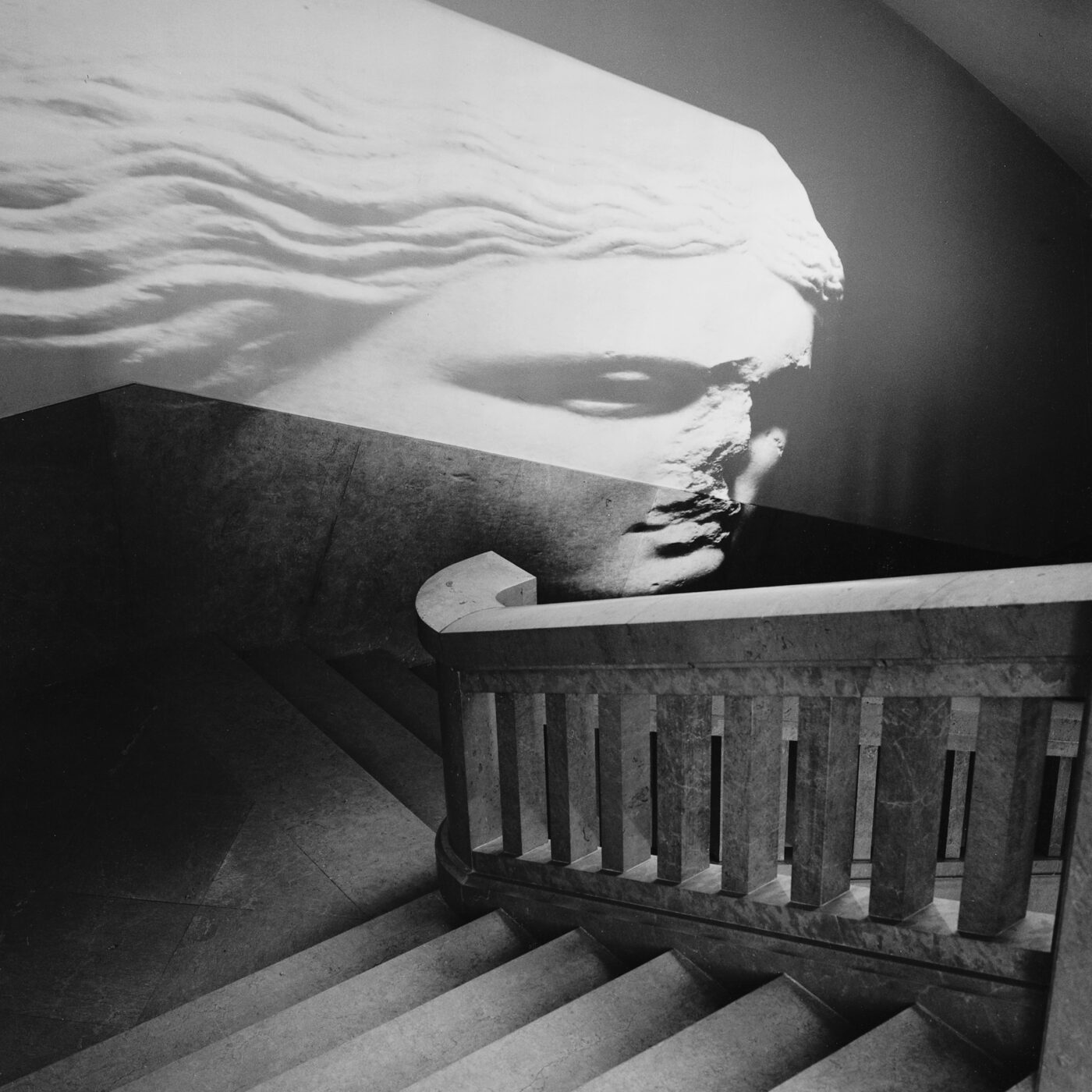
Magical realism
Ferran Freixa’s images reveal the poetic and subjective nature of everyday life, reminding us that the mundane is always a space where time, light, and memory coexist in harmony.
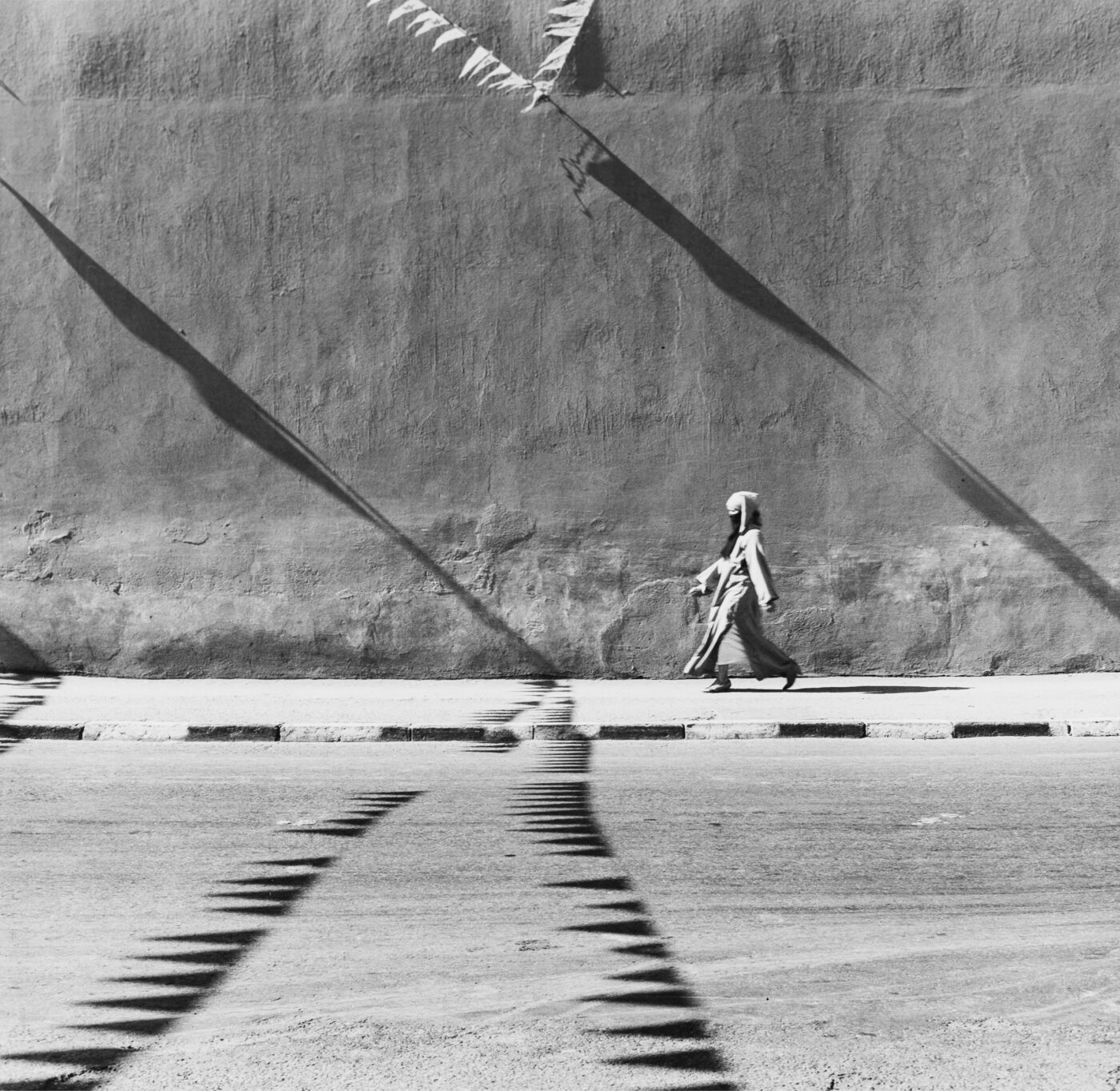
Return to Morocco
Ferran Freixa portrays the landscapes and people of Morocco with his characteristic gaze, capturing daily life through light and shadow, amidst fabrics, markets, and bodies in flight, like the keen, silent observer he is.
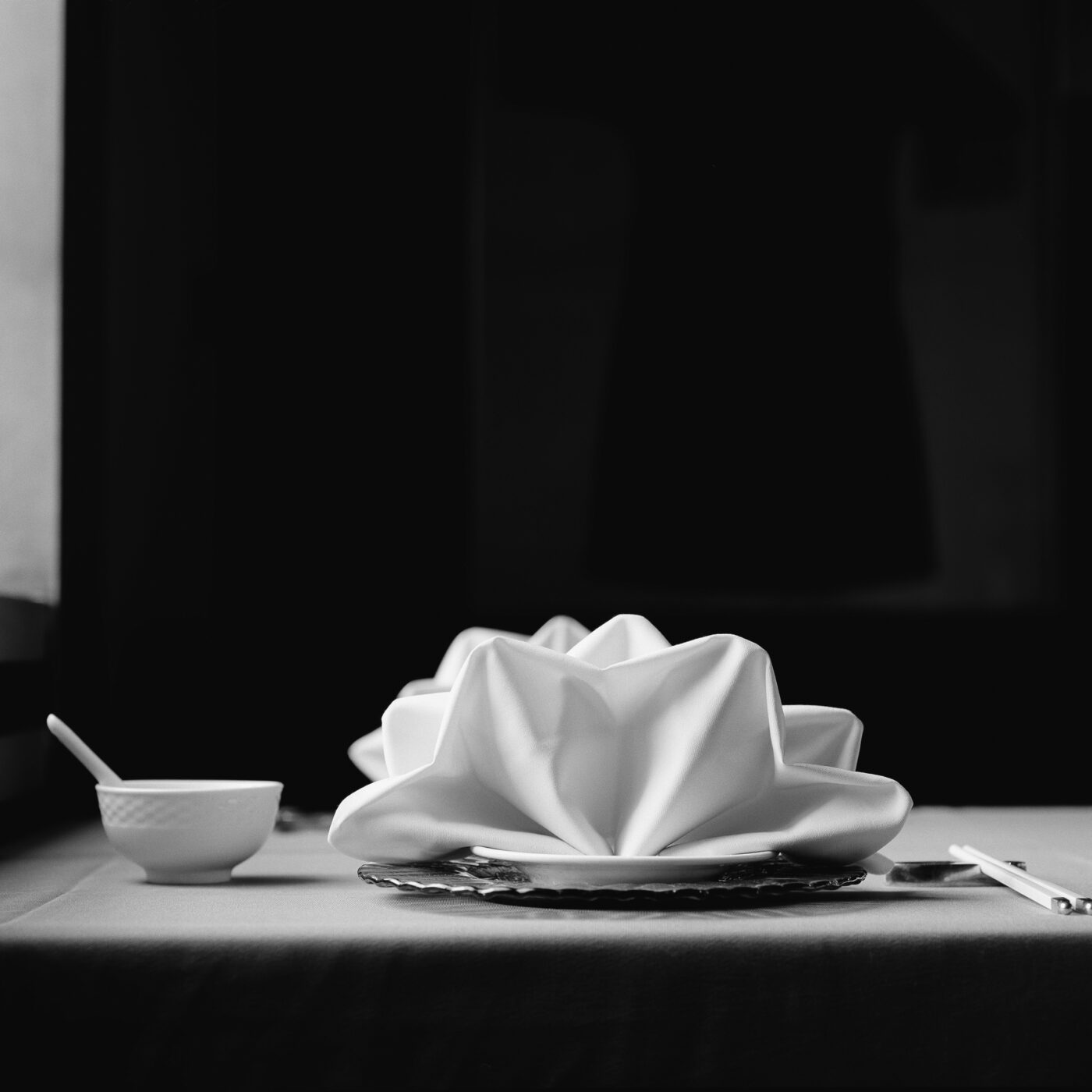
The State of Things
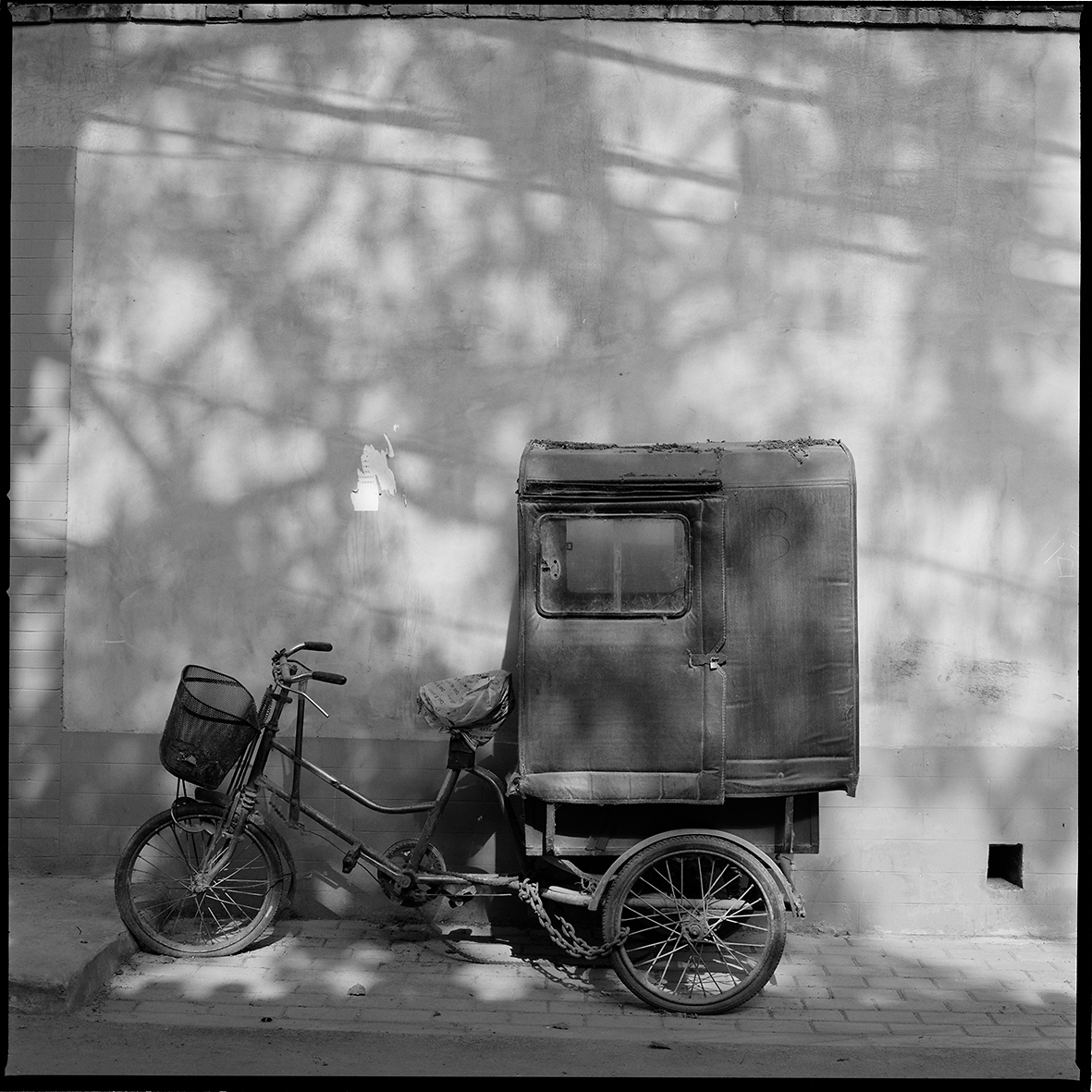
Diary of a traveller
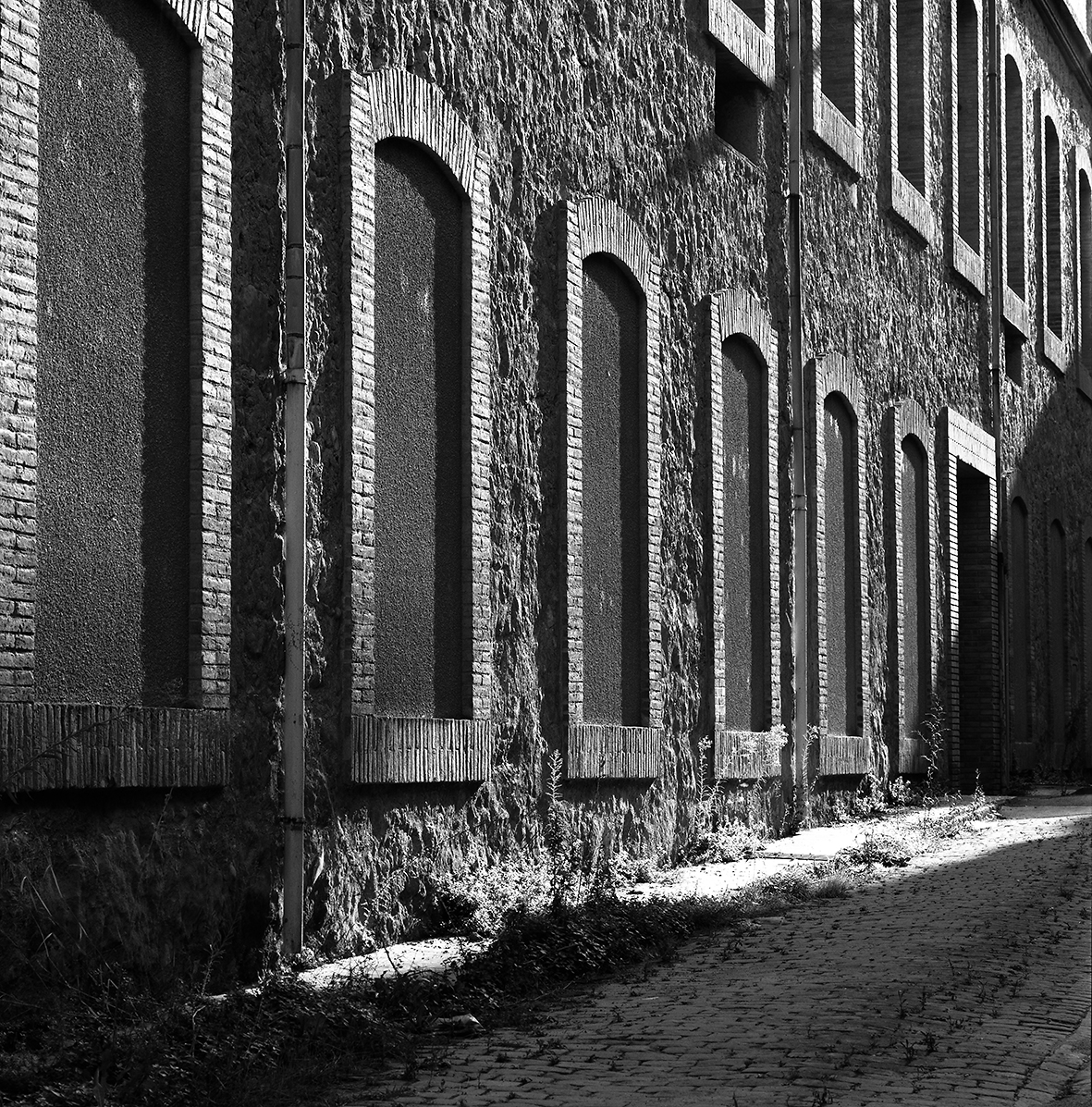
Textile colonies
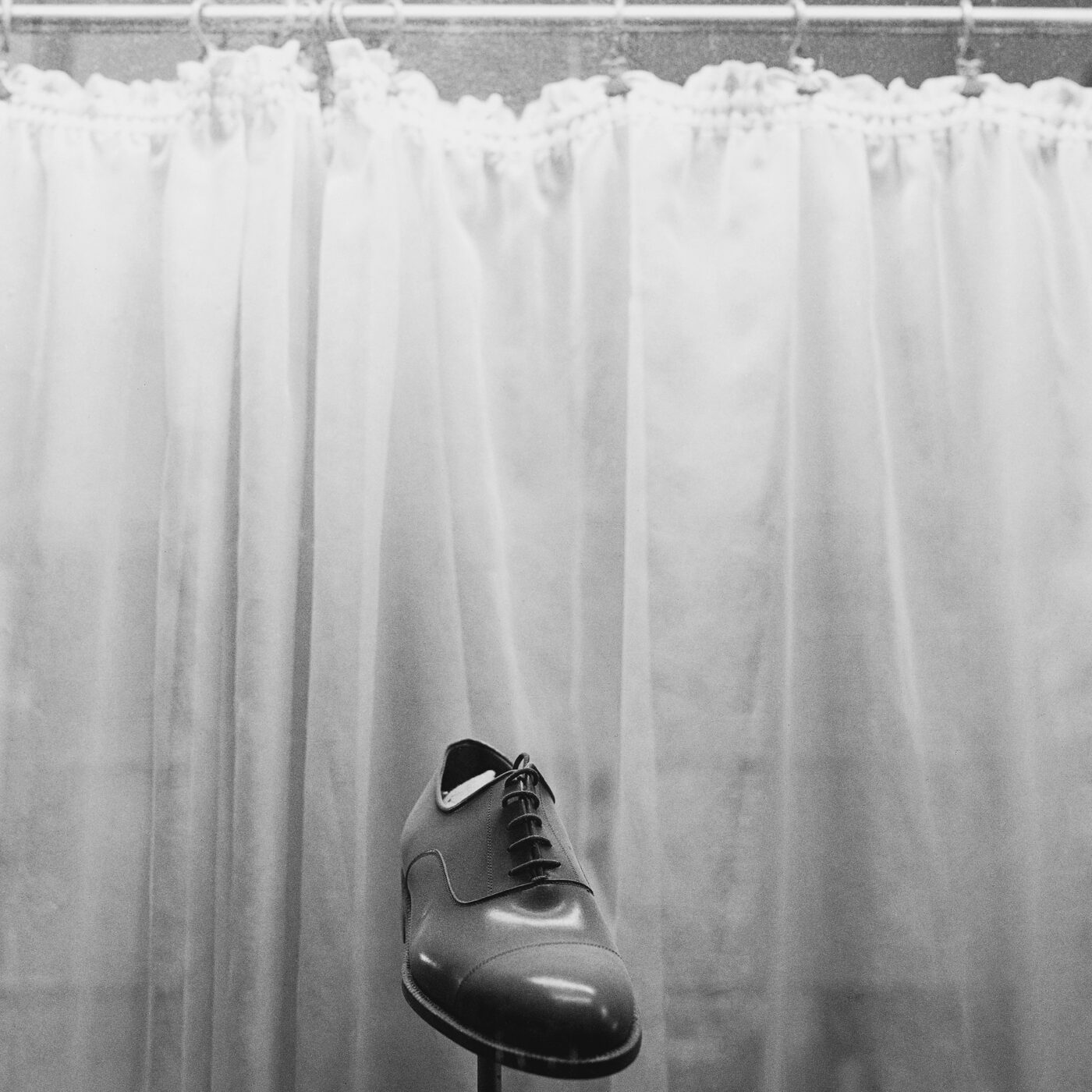
Barcelona, a frozen moment
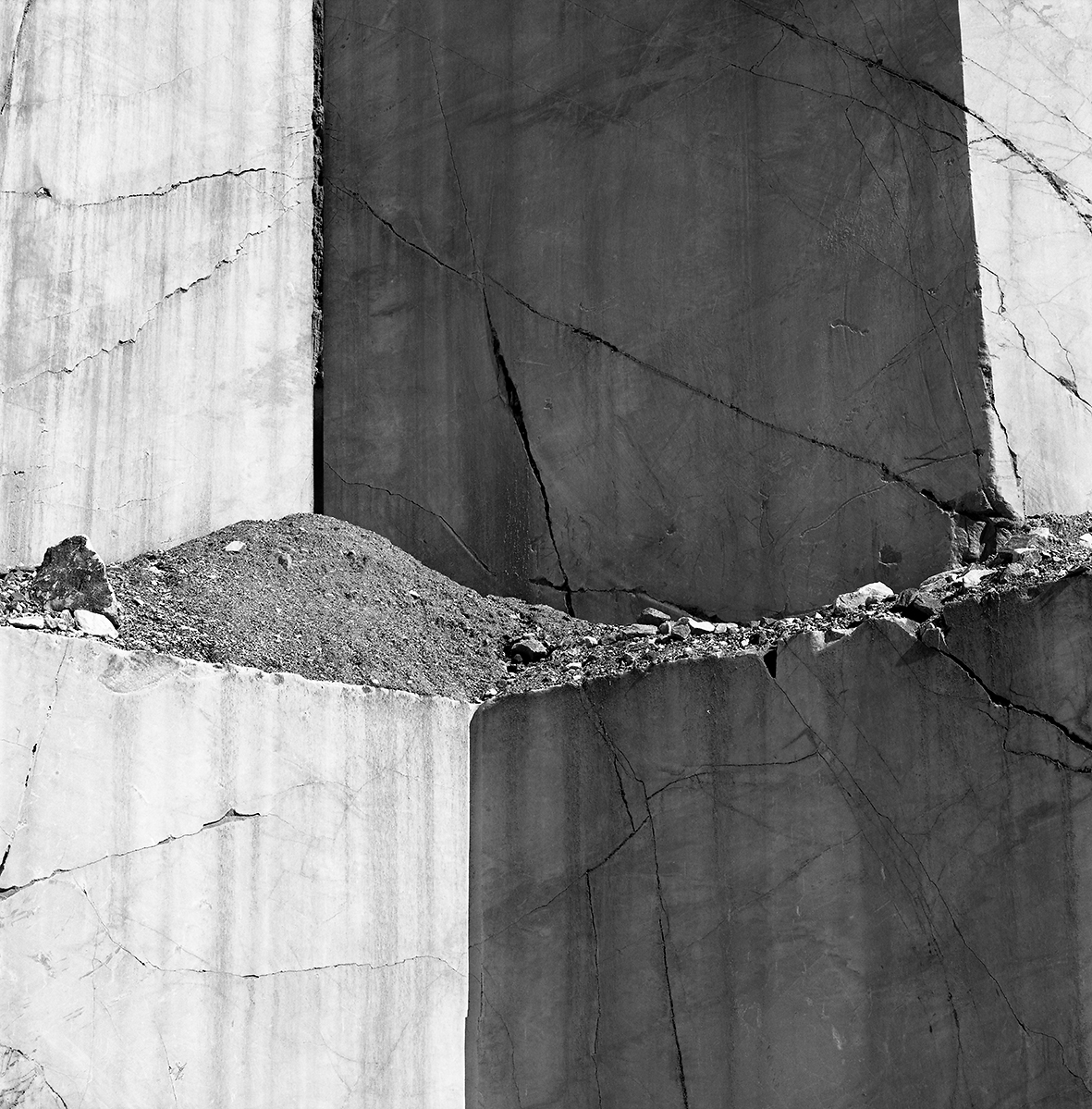
Geometry of the invisible
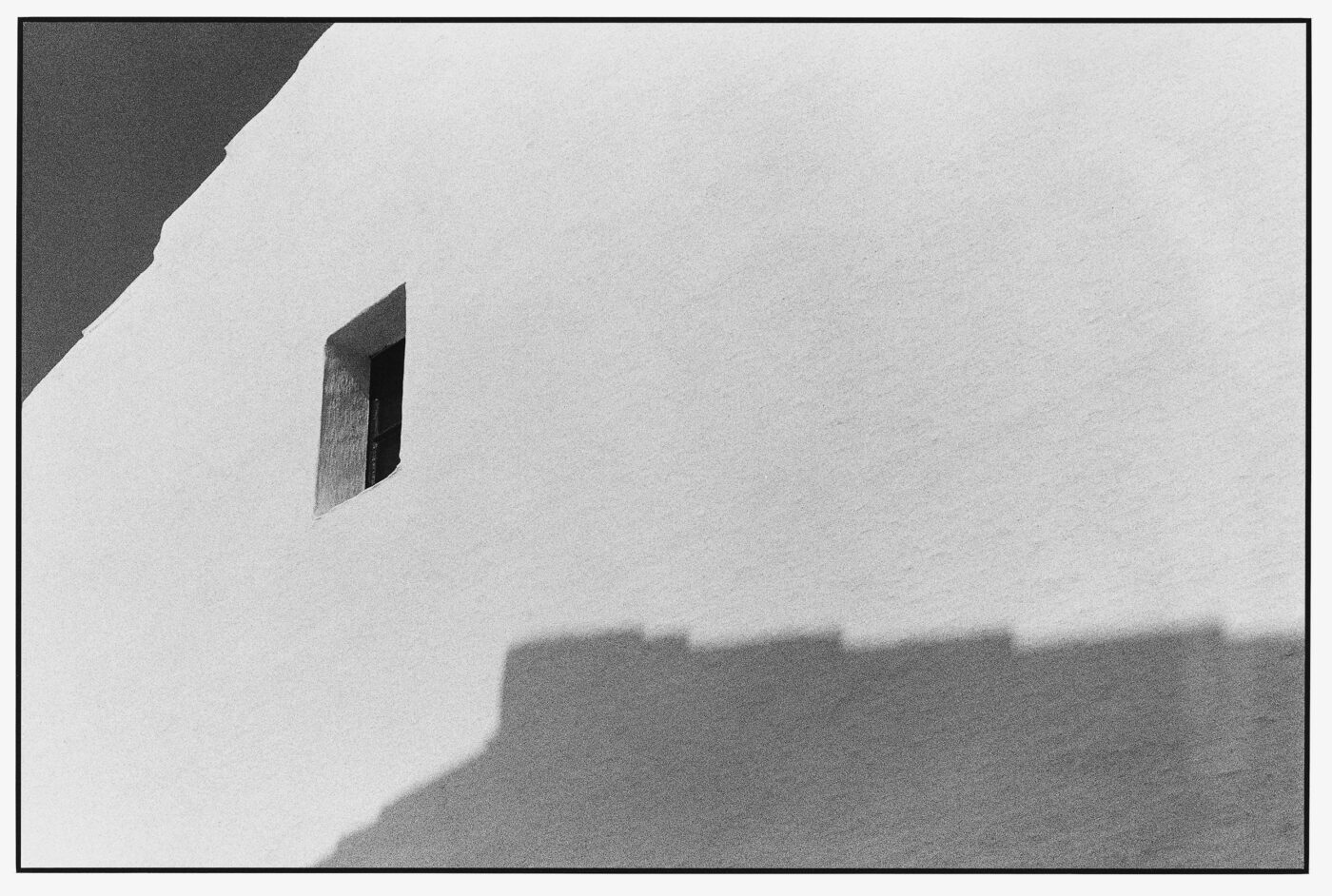
Architecture of silence