Jacques Léonard
(1909 - 1994)Biography
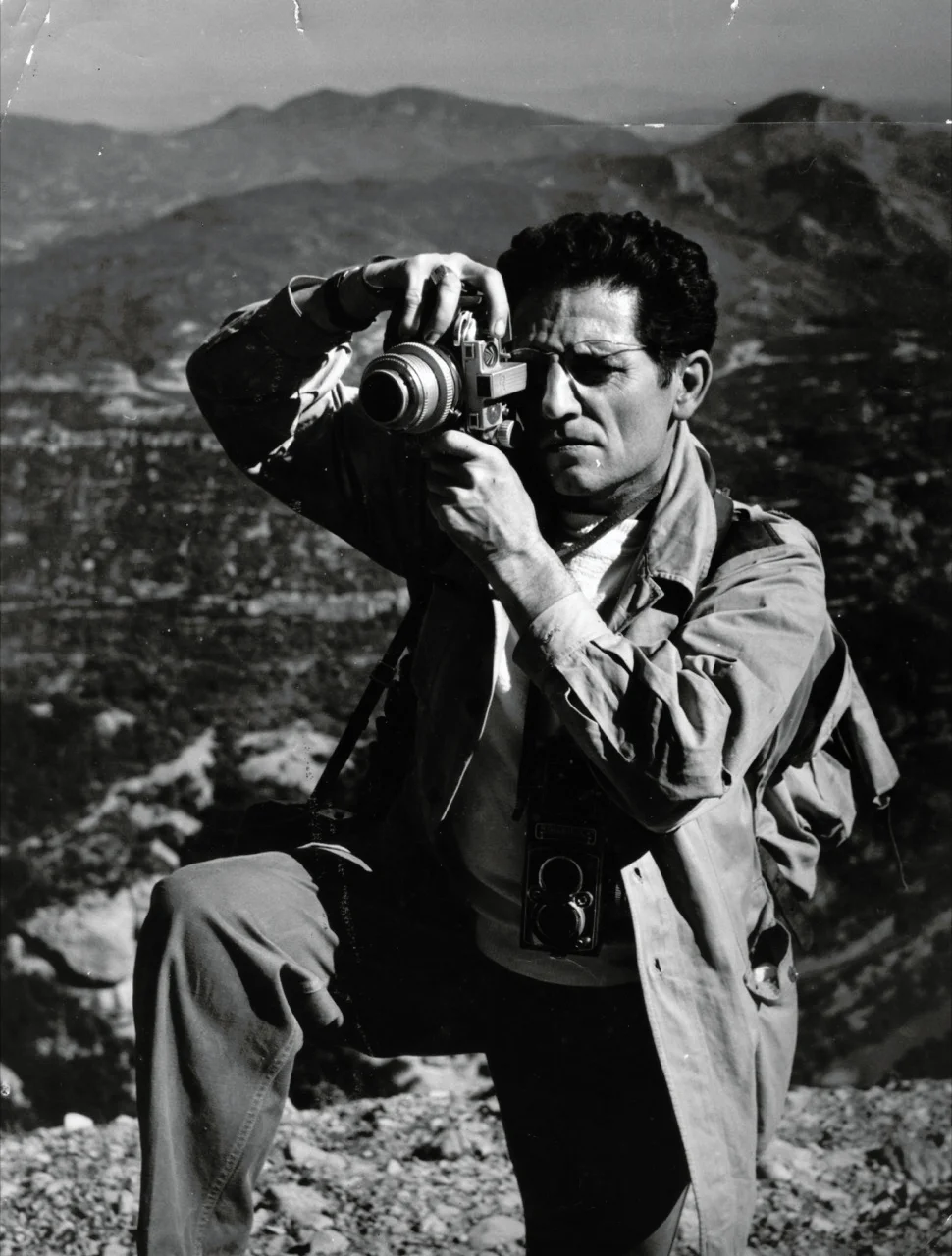
He portrayed the Roma people and their culture from a historical and contemporary perspective. His work has exceptional documentary and anthropological value.
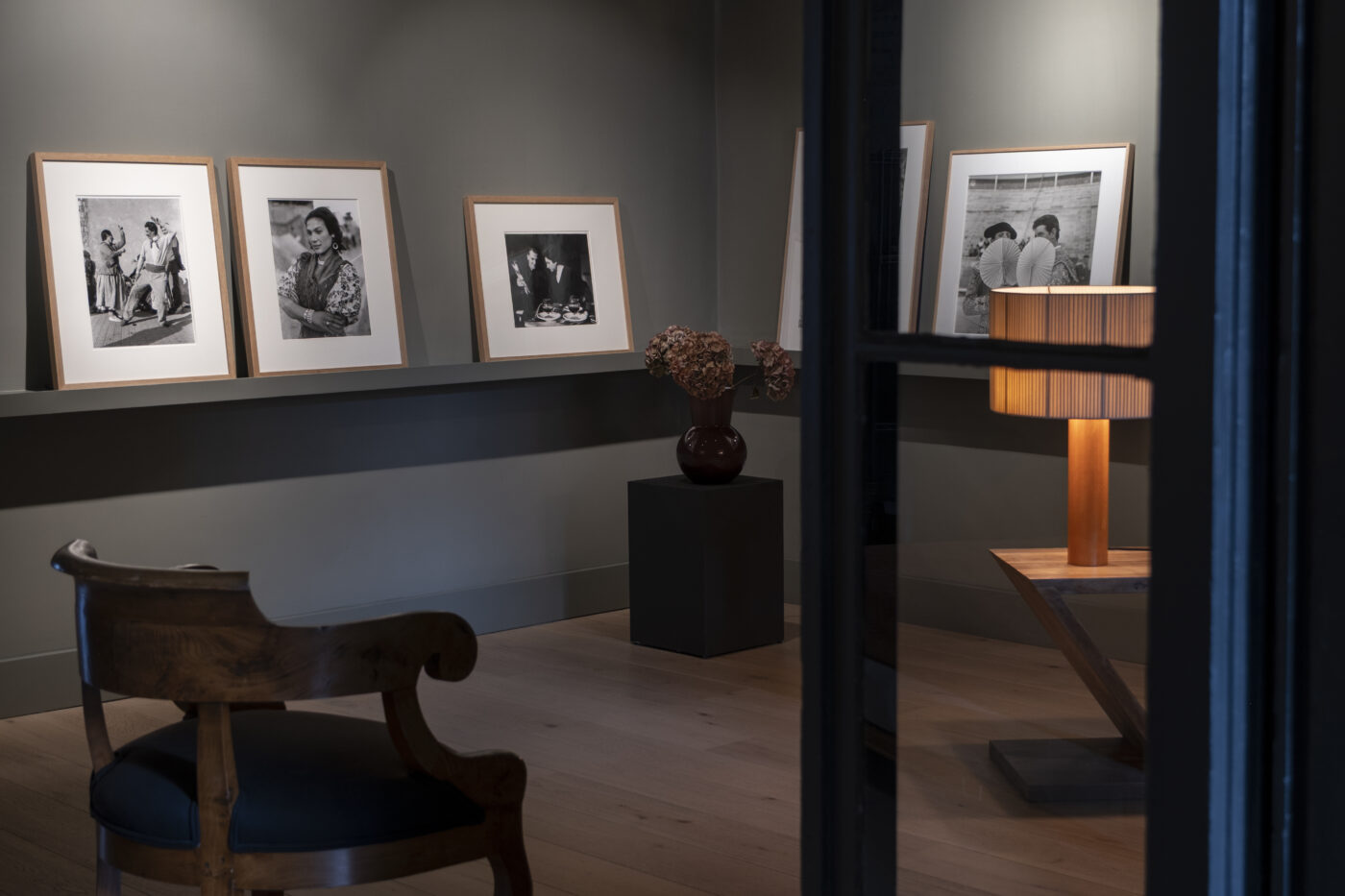
The photographic work of Jacques Léonard (Maisons-Lafitte, 1909 – L’Escala, 1994) stands out especially for its unique portrait of Barcelona gypsy life in the 50s and 60s, and is represented by the Photographic Social Vision Foundation.
“El payo Chac”, an atypical photographer
Author of the most important photographic collection of the 20th century on the gypsy community in Barcelona, his unusual biography and his unique perspective as “el payo Chac” (“payo” is the way gypsies call non-gypsies), as he was known by the gypsy community in Barcelona, prevented him from falling into paternalism, denouncing or the folkloric staging of his contemporaries of the new avant-garde, bequeathing a lively and absolutely worthy portrait of the great gypsy family to which he himself belonged.
However, his archive hides many equally valuable secrets, such as his snapshots of Barcelona, Paris or Menorca; the Universal Exhibition in Brussels in the 1950s; or his travels around the world with the humorist Robert Lamouret and the American artist Vicki Ross; as well as one of the few graphic testimonies that exist of the young Frenchmen who fled from Nazism through Franco’s Spain.
His look from within the gypsy people
Born on the outskirts of Paris, the son of a paya and a gypsy, Jacques Léonard’s restless and cosmopolitan character led him to practice as many trades as he visited countries. But from a young age he was attracted to the world of images, dedicating himself to cinema for years (he worked at the famous Gaumont studios and collaborated on several occasions with the director Abel Gance) and in 1952, already over 40 years old, he ended up settling in Barcelona, beginning his activity as a freelance photographer.
The reason for his settlement was his falling in love with and marrying Rosario Amaya, a gypsy painter’s model who lived in the shacks on the Montjuïc mountain. This is how Léonard not only recovered part of his own origins, but he also went on to document, between the early 50s and the mid-70s, the way of life and culture of the gypsy people, in an absolutely incomparable way. His work, in addition to having a markedly ethnographic character, had a practical utility, because thanks to “payo Chac” all gypsies could have photographs of their relatives.
On the other hand, it was Francesc Català-Roca who provided him with his first contacts in the city’s photographic sector and he soon began to collaborate with media such as La Vanguardia or La Gaceta Ilustrada, in addition to setting up his own laboratory, dedicated to advertising photography.
After moving, with his family, from the neighborhood of Gràcia to La Mina, he would end up moving to L’Escala (Girona), where he died in the mid-1990s, away from artistic circles and having to wait until the beginning of the second decade of the 2000s so that his work began to receive the deserved recognition.
A historical photographic legacy
The Jacques Léonard Family Archive, which includes vintage negatives and prints from the early 1940s to the late 1970s, is today owned by their sons Santi and Álex Léonard, and is represented by Photographic Social Vision, which is proud to assist their heirs in the management of copyrights, the communication of his work and its sale in the art market, among other aspects.
As a result of the study of said archive, a report that Léonard made in December 1943 was discovered, documenting the passage through Madrid and Malaga of thousands of young people, mostly French, who were trying to flee fascism, heading for Africa. From these photographs, the exhibition Évadés 29 December 1943 was born, which presented one of the very few graphic testimonies that exist of that historical moment.
In 2019, the result of an exhaustive inventory, cataloging and digitization of almost 18,000 negatives, thanks to the support of the Barcelona Photographic Archive and Léonard’s children, Photographic Social Vision launches the website jacquesleonard.com, which brings together his work, bibliography and filmography.
The photographer’s grandson, Yago Léonard, was in charge of recomposing the grandfather’s story in the documentary ‘Jacques Léonard. El payo Chac’, which received 6 Goya Award nominations. Produced by Curt Ficcions, the documentary has the testimonies of the photographer’s children and images recovered from his archive.
In July 2020, ‘Alegria’ is held at the Anne Clergue Galeríe in Arles (France), the first exhibition to present certified copies of Léonard’s work for sale in his native country, during Arles Contemporain.
In February 2021, the first exhibition of his work finally arrives in Paris, the capital of France and one could say that of the arts. “Et si l’on dansait”, at the Durev Events gallery, is an exhibition of photographs, some of them unpublished, focused on dance and the gypsy people, with the collaboration of the Anne Clergue Galerie and the Barcelona Photographic Archive.
Photographic collections
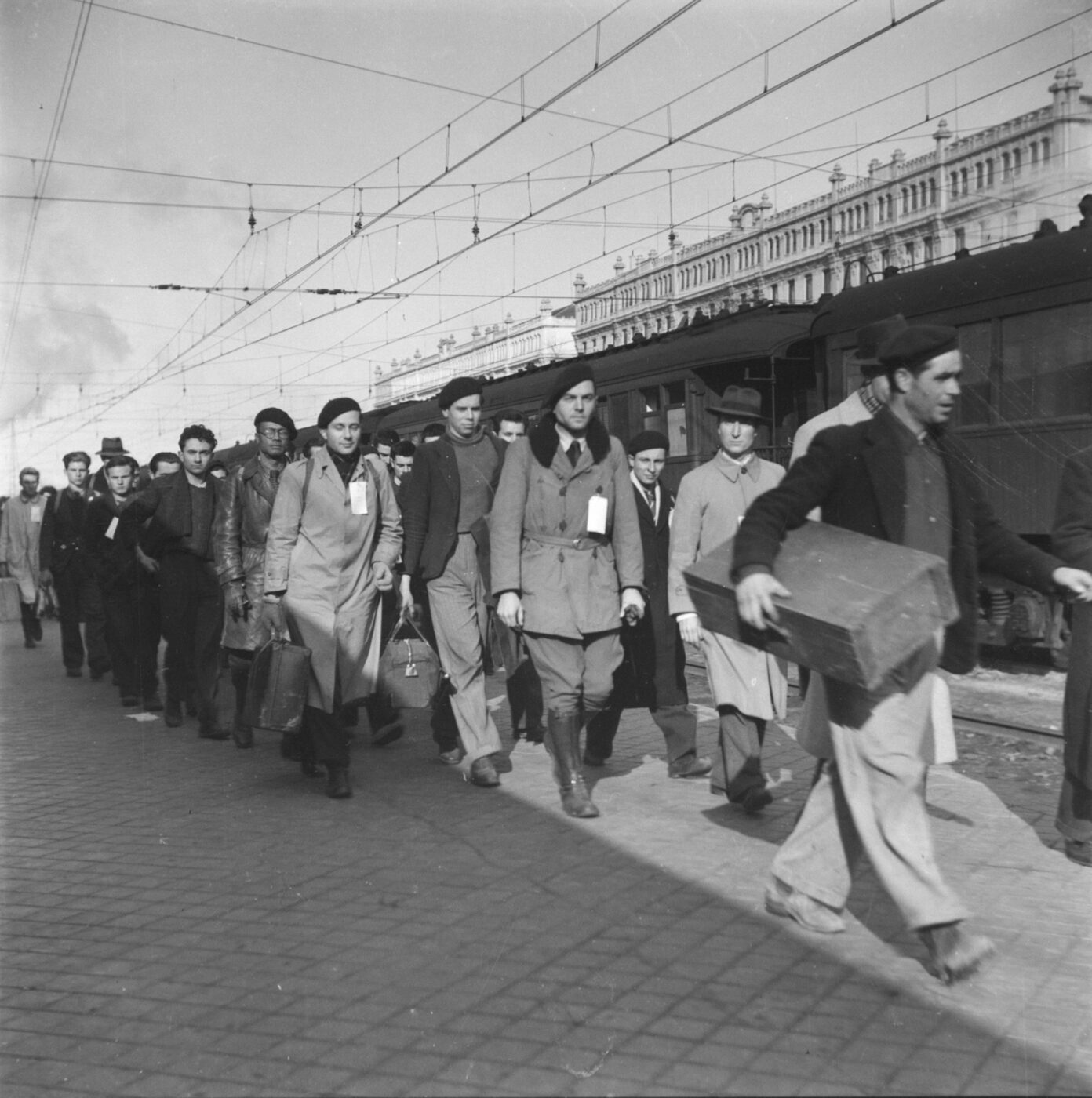
Evadés
These photographs from December 1943—the earliest known images of Léonard—are a rare record of the young French people who took refuge in Málaga en route to Africa while fleeing fascism.
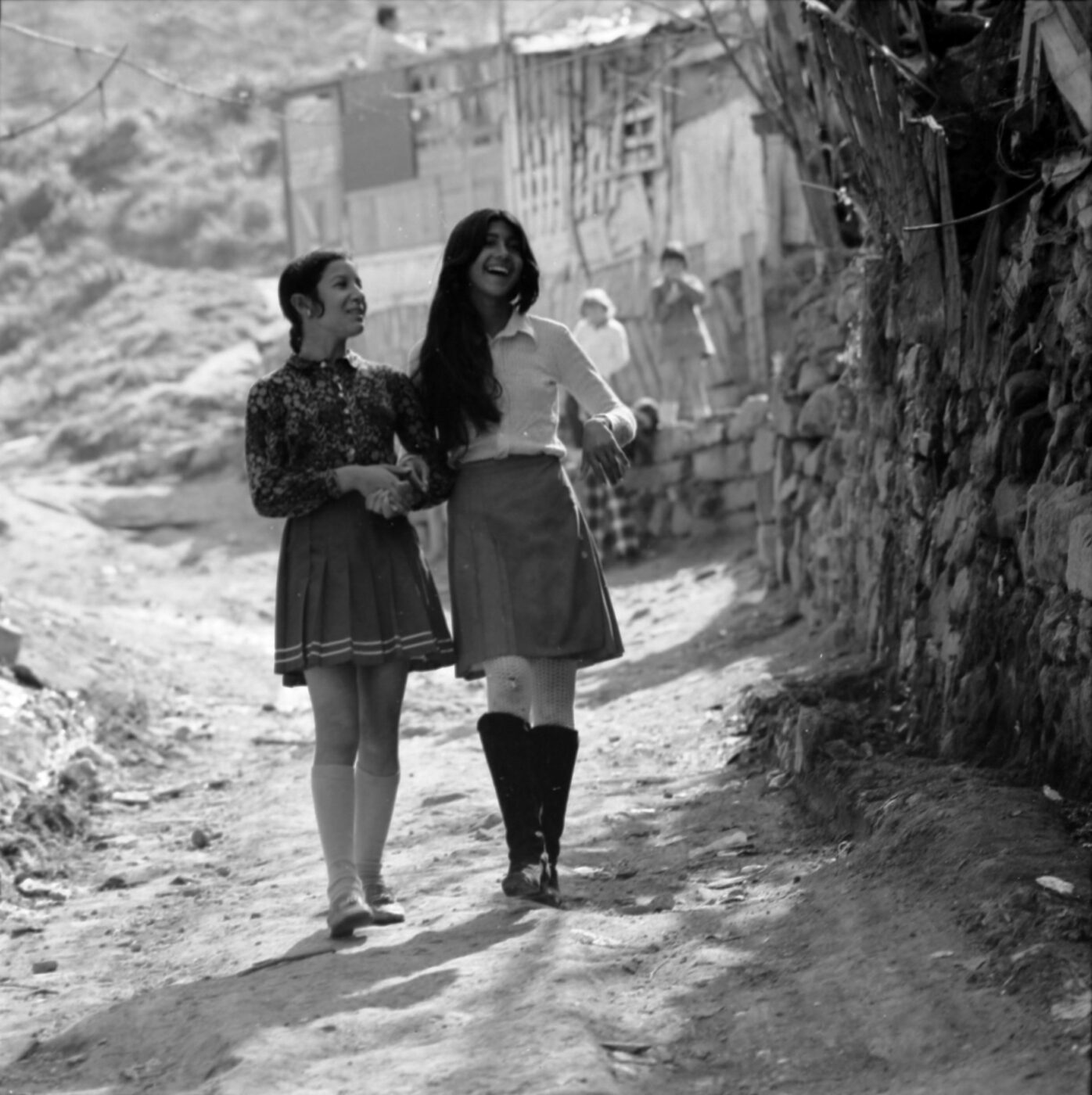
Gypsy Barcelona
After marrying Rosario Amaya, Léonard lived among Barcelona’s Gypsy community. Between the 1950s and 1960s, he captured their daily routines, traditions, and pilgrimages to Saintes-Maries-de-la-Mer.