Isabel Azkarate
San Sebastián, 1950Biography
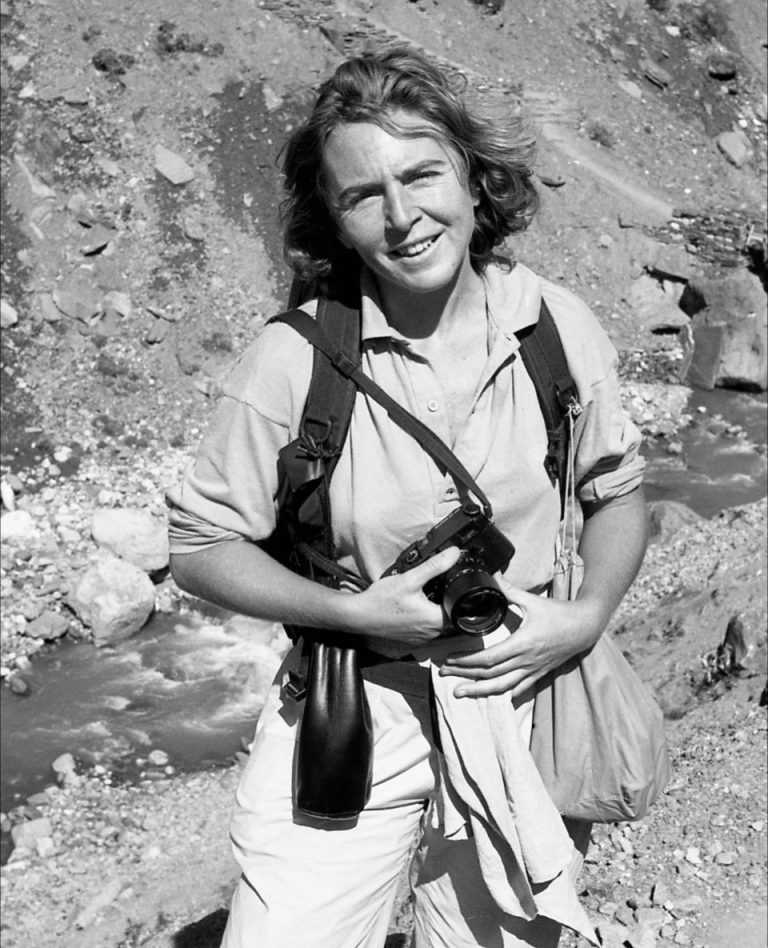
Considered the first female photojournalist in the Basque Country (Spain), it’s the author of an essential visual legacy recently showcased at the ICP and Instituto Cervantes in New York
In her work as a photojournalist, she documented in a truly exceptional way the most violent and painful stage of terrorism in Euskadi. Without prejudice or political positioning, her approach reveals feelings of pain and anger that help us to connect with the protagonists, a perspective that she maintained at every stage of her professional career. Also when she portrayed the victims of the Sendero Luminoso attacks in Ayacucho (Peru).
Documenting terrorism, but also culture and diversity
Isabel Azkarate was the only female photographer, among many men, who covered the Basque Country during the eighties, when beyond the attacks by ETA and the GAL, there was also the dismantling of the industrial fabric, harsh social conflicts, general strikes or the ravages of drugs among young people, as well as a vibrant counterculture movement that celebrated identity and freedom of expression.
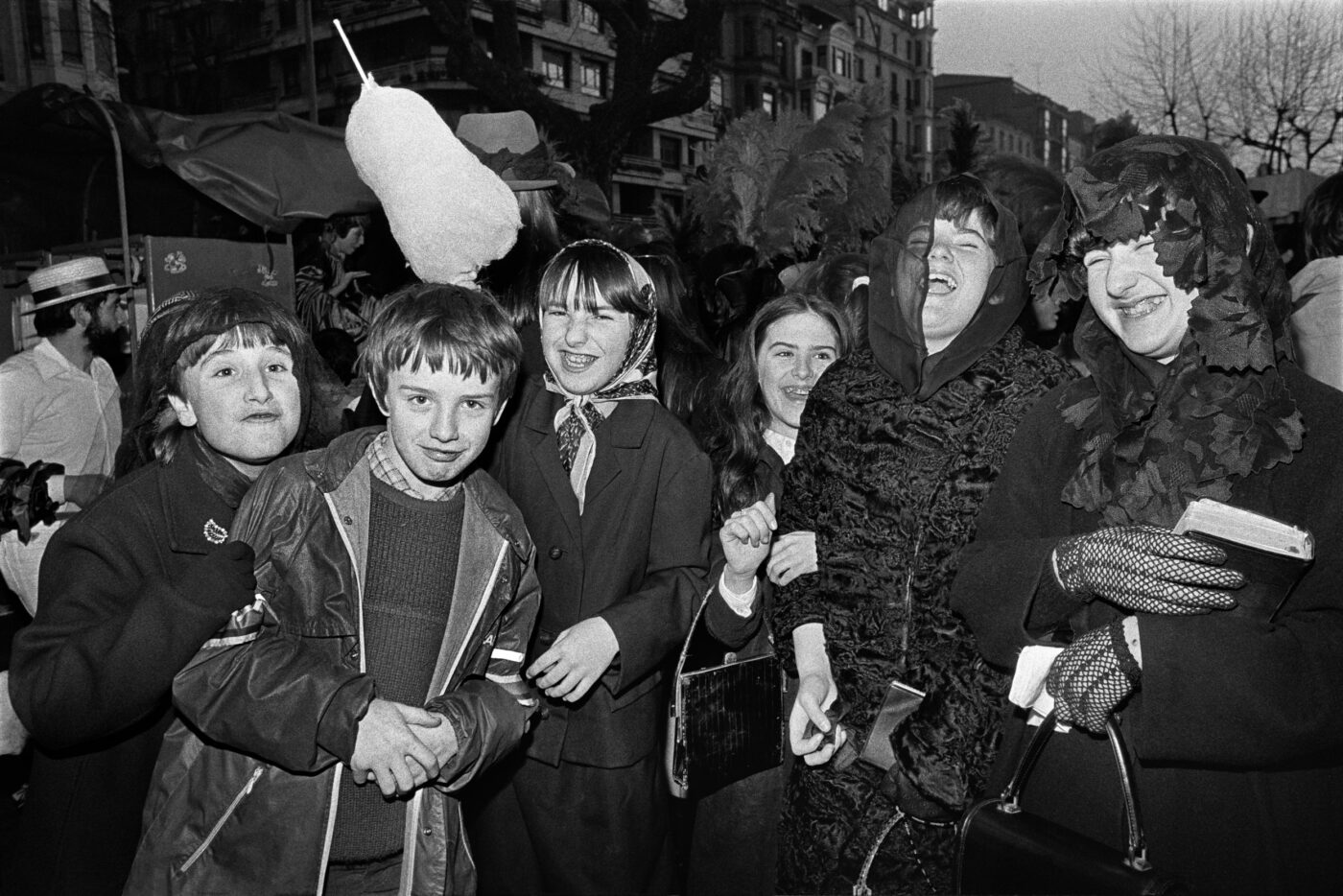
Isabel Azkarate’s photographic archive also describes ways of life as diverse as those represented by countless unique characters that she has portrayed in parks, circuses or LGTBI parties in New York in the early eighties and also in rural houses and roads in the Basque Country.
Additionally, as a photographer for the San Sebastián International Film Festival, Azkarate carried out the last photo session of Bette Davis, days before the diva of classic Hollywood died. Passionate about culture, Azkarate has also photographed many musicians, filmmakers, writers, painters and sculptors, as well as the public’s reactions to the art world.
Her insatiable curiosity has led her to compose a multifaceted catalog of human diversity. Her fearless attitude and deep empathy have been present at every stage of her professional career. Her career certifies an honest desire to recognize the identity of the other in order to be herself. She is her camera.
Azkarate’s nomadic career
Isabel Azkarate was born in 1950 in Donostia – San Sebastián. Between the late 70s and early 80s, he studied photography at the International Center of Photography in Barcelona and in prestigious New York centers such as the Visual Studies Workshop (VSW), the School of Visual Arts (SVA), the International Center of Photography (IPC) or The New School in Manhattan (New York). A tireless traveler, Azkarate has also captured countless snapshots in places as diverse as Brazil, Bali, Egypt, Nepal, Pakistan and Turkey.
She has been a witness to the national and international cultural scene, chronicling concerts, working as a photographer for more than a decade for the San Sebastián International Film Festival and also covering the jazz festival of the same city, the Donostiako Jazzaldia, for the 80s and 90s. She has portrayed key figures such as the Dalai Lama; to a multitude of international artists such as, for example, Arthur Miller, Julian Schnabel, Bette Davis, Jacqueline Bisset, David Bowie, Leonard Cohen, Lou Reed, Tina Turner, Patti Smith, Rod Stewart, Elton John, Iggy Pop or Iron Maiden; and, of course, also national artists such as Eduardo Chillida, Gabriel Celaya, Antoni Tàpies, Jorge Oteiza, Javier Mariscal, Miquel Barceló, Ivan Zulueta, Bibi Andersen, Sara Montiel, Albert Pla, Kortatu, Loquillo, Siniestro Total, or Fabio McNamara , among many others.
She has also been a photographer for the Guipúzcoa Provincial Council and has collaborated in publications such as Diario Vasco, La Voz de Euskadi, El Periódico de Catalunya, El País, Interviú, Tiempo, Dunia, o Mujer Hoy.
Promoting Azkarate’s photographic archive
The Photographic Foundation has been thoroughly researching the photographer’s archive for years and developing exhibition projects and actions that make known her long and fruitful professional career.
As a result of her work, in 2021, a chapter of the docuseries “Detrás del Instante” on RTVE’s La 2 is dedicated to Isabel Azkarate, which reviews the life and work of the best photographers in the country, focusing on some of their most notable works. You can see the chapter at this link.
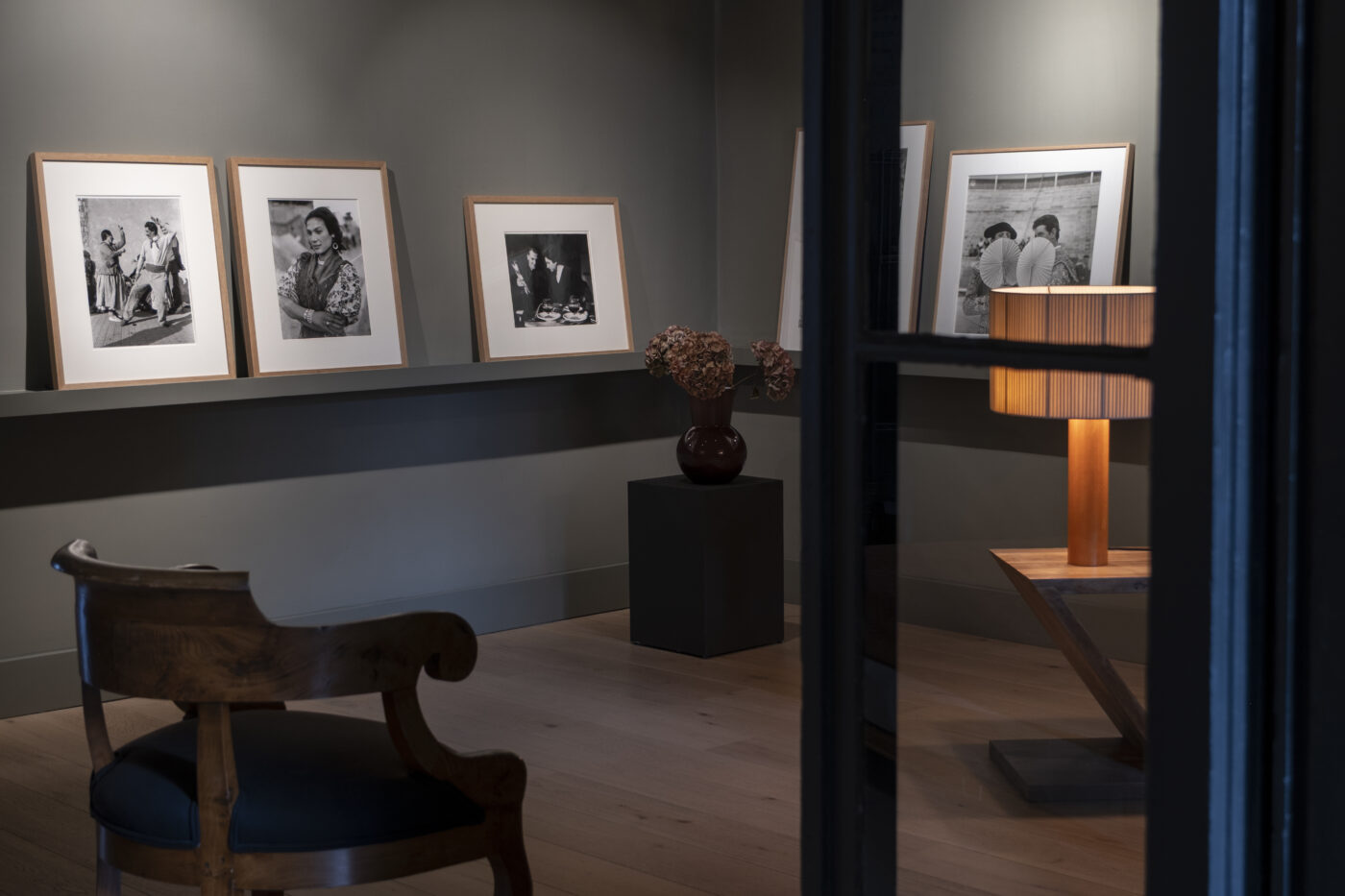
That same year, the exhibition “Isabel Azkarate: arte y parte” was inaugurated in Soria, produced by the City Council of this Castilian city. This is an unique exhibition that highlights the author’s insightful look at the world of art and her close connection with numerous artists.
In 2022, she offers a conference at the Espai de Cultura Contemporània Les Bernardes in Salt (Girona), where she also exhibits “La incansable Bette Davis”, which compiles the best images of her memorable last photo session with one of the greatest actresses in the world. Classic Hollywood, including numerous unpublished photographs.
In 2023, after intense months of work, “Isabel Azkarate” opens, a large retrospective exhibition in the Kutxa Kultur Artegunea room of the Tabakalera building, in San Sebastián, the photographer’s hometown. Produced by Kutxa Fundazioa and curated by Silvia Omedes, director of Photographic Social Vision, this exhibition consolidates its name as it deserves in the history of national photography and complements the still incomplete catalog of women photographers of the 20th century.
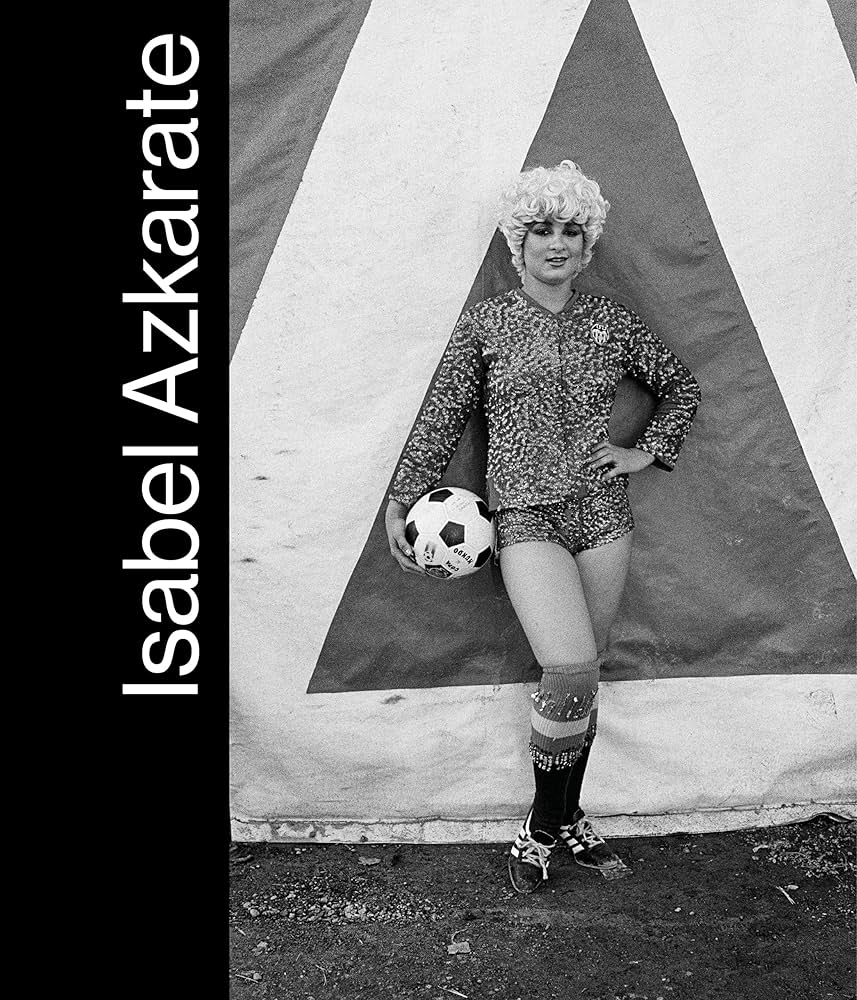
Coinciding with the exhibition and in collaboration with the Kutxa Fundazioa and the San Telmo Museum, the Blume publishing house and the Photographic Social Vision Foundation co-edit the book Isabel Azkarate, which compiles and expands what was exposed in the retrospective, providing a more detailed vision of the life and work of the author.
Furthermore, in January 2024, the San Telmo Museum in San Sebastián inaugurates the exhibition “Isabel Azkarate. Arte y parte“, which expands the work previously exhibited in Soria and completes the recognition of the photojournalist in the capital of San Telmo.
Books